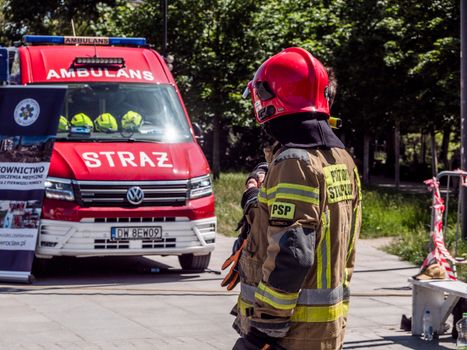
Attending a festival is an exhilarating experience—music, art, food, and the company of thousands, sometimes tens of thousands, of like-minded people. But amidst the excitement, it’s easy to forget that your health and safety must come first. Festivals, by nature, are demanding: long hours on your feet, exposure to unpredictable weather, unfamiliar foods, and close proximity to large crowds. These factors can turn a fun weekend into a stressful ordeal if you’re not prepared.
Learning how to take care of your health at a festival, with a focus on prevention and first aid, is key to making the most of your festival adventure. This guide covers proactive steps to protect your well-being, essential first aid know-how, and practical tips for common risks, ensuring the only thing you’ll be nursing after the festival is a collection of great memories.
The Unique Health Challenges of Festivals
Festivals create a perfect storm of health challenges. According to the UK’s National Health Service (NHS), over 20% of festival-goers experience some form of illness or injury during multi-day events. Common issues include dehydration, sunburn, minor injuries, food poisoning, and fatigue.
.png)
Crowds also increase the risk of contagious illnesses—studies show that respiratory infections are up to 3 times more likely at densely-packed events. Add loud music, late nights, and sometimes unpredictable weather, and it’s clear why preparation is vital.
The most common festival health issues include: - Dehydration and heat exhaustion - Cuts, scrapes, and sprains - Sunburn and heatstroke - Allergic reactions - Foodborne illnesses - Hearing damageUnderstanding these risks is the first step toward prevention and effective first aid.
Smart Prevention: Preparing for Common Festival Health Hazards
Preparation is your best line of defense. Here’s how to minimize your risks before you even step onto festival grounds:
Hydration and Nutrition - Bring a reusable water bottle. Many festivals offer free water stations. The European Festival Report 2022 found that 67% of festival medical incidents were linked to dehydration. - Eat balanced meals before and during the event. Energy bars, nuts, and dried fruit are good portable snacks. - Avoid excessive alcohol or caffeine, both of which can contribute to dehydration. Sun and Weather Protection - Use sunscreen with at least SPF 30 and reapply every 2 hours, especially after sweating or swimming. - Wear a wide-brimmed hat and UV-blocking sunglasses. - Pack a light raincoat or poncho and wear layers for changing conditions. Comfortable Clothing and Footwear - Sturdy, closed-toe shoes protect against cuts and sprains in crowded or muddy conditions. - Dress in breathable fabrics to reduce the risk of heat rash or overheating. Personal Hygiene - Carry hand sanitizer and disinfectant wipes. According to the Centers for Disease Control and Prevention, using alcohol-based hand rubs can reduce the risk of gastrointestinal illness by 45%. - Bring your own toilet paper or tissues, as portable toilets may run out. Medications and Allergies - If you have allergies (to food, insect stings, or pollen), carry antihistamines or an epinephrine auto-injector. - Pack a small supply of any prescription medications, plus a basic first aid kit (see below).Essential First Aid Skills and What to Pack
Even with the best preparation, accidents can happen. Knowing some basic first aid—and having the right supplies—can make a huge difference.
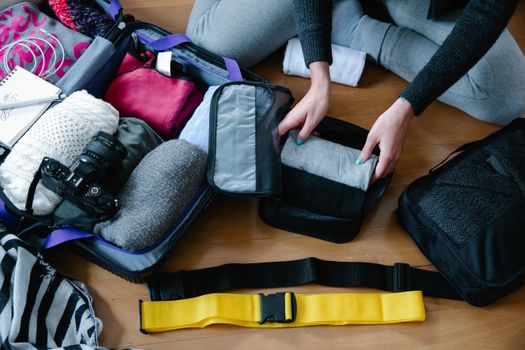
Your festival first aid kit should include: - Adhesive bandages (various sizes) - Antiseptic wipes and ointment - Blister plasters - Gauze pads and adhesive tape - Tweezers (for splinters or ticks) - Pain relievers (paracetamol or ibuprofen) - Antihistamines - Small scissors and safety pins - Sunscreen and insect repellent - Electrolyte tablets or rehydration salts Key First Aid Know-How: - Cuts and scrapes: Clean with water, apply antiseptic, and cover with a sterile bandage. - Blisters: Cover with a blister plaster; don’t pop unless necessary. - Sprains: Rest, ice, compression, and elevation (RICE). - Dehydration: Drink water plus rehydration salts if symptoms occur (thirst, headache, dizziness). - Allergic reactions: Take antihistamines for mild symptoms; use an epinephrine auto-injector and seek help for severe reactions.Staying Safe in Crowds: Preventing and Managing Emergencies
Crowd density at festivals can be both exciting and hazardous. Stampedes, crushing, or even getting lost are real risks at large events. In 2023, the Coachella Valley Music and Arts Festival drew 125,000 attendees per day—imagine the potential for confusion or injury in such a crowd.
Tips for crowd safety: - Always know where the nearest exits and first aid stations are. - Arrange a meeting point with your group in case you get separated. - Avoid pushing into dense crowds, especially near barriers or the stage. - If you feel faint or trapped, move sideways or diagonally out of the crowd rather than pushing directly back. - Keep your phone charged and consider carrying a portable power bank. If someone collapses or appears seriously ill in a crowd: - Call for help immediately and alert event staff. - Protect their airway and place them in the recovery position if unconscious but breathing. - Clear space around them to avoid further injury.Food and Drink Safety: Avoiding Illness at Festivals
Festival food is part of the experience, but foodborne illness can ruin your fun in a hurry. The World Health Organization estimates that 1 in 10 people worldwide falls ill each year due to contaminated food—a risk that increases at temporary outdoor food stalls.
How to lower your risk: - Choose food vendors with visible hygiene standards: clean counters, gloves, and proper food storage. - Avoid foods that have been sitting out, especially in hot weather. - Only drink from sealed bottles or your own cup; avoid communal punch bowls. - Wash hands before eating or use hand sanitizer.Symptoms of foodborne illness (nausea, vomiting, diarrhea, fever) can appear within hours. If you get sick, rest in a shaded area, sip water, and seek medical help if symptoms are severe or prolonged.
First Aid and Prevention Quick Reference Table
To help you prepare, here’s a quick comparison of common festival health issues, prevention tips, and first aid steps.
| Issue | Prevention | First Aid |
|---|---|---|
| Dehydration | Drink water regularly, avoid excess alcohol/caffeine | Rest in shade, sip water, use rehydration salts if needed |
| Sunburn | Apply SPF 30+ sunscreen, wear hats/sunglasses | Cool compress, aloe vera gel, pain relief if needed |
| Minor cuts/scrapes | Wear closed-toe shoes, avoid rough terrain | Clean wound, apply antiseptic and bandage |
| Blisters | Wear comfortable shoes, change socks daily | Cover with blister plaster, avoid popping |
| Food poisoning | Choose reputable vendors, wash hands | Rest, hydrate, seek help if severe symptoms |
| Allergic reaction | Carry medication, avoid triggers | Antihistamines for mild, epinephrine & emergency help for severe |
After the Festival: Monitoring Your Health
Don’t forget self-care after the festival ends. Some issues—like respiratory infections or delayed-onset sunburn—may not appear until days later.
- Monitor for symptoms like fever, persistent headache, severe fatigue, or rashes. - Rest and rehydrate for a day or two after the event. - If you develop symptoms of illness (especially gastrointestinal or respiratory), consult a healthcare provider.According to a 2022 survey by Eventbrite, 18% of festival-goers reported lingering health issues after large events. By paying attention to your body post-festival, you can catch problems early and recover faster.
Final Thoughts: Enjoy Festivals While Staying Healthy
Festivals are meant to be joyful, immersive experiences—don’t let preventable health issues get in your way. By understanding the unique health risks, preparing with smart prevention, packing a basic first aid kit, and staying aware of your surroundings, you can keep yourself and others safe.
A little preparation goes a long way: most festival health emergencies are avoidable with proactive measures. Stay hydrated, protect yourself from the sun, practice good hygiene, and look out for each other. That way, the only thing you’ll bring home are stories, souvenirs, and maybe a new favorite song.