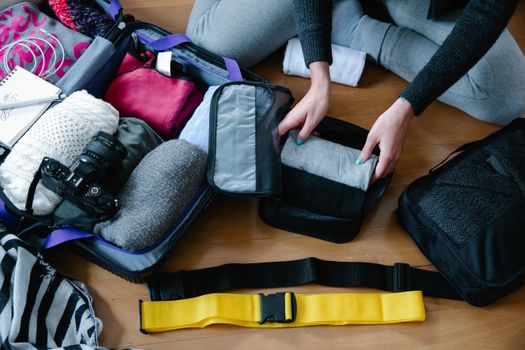
Attending a music festival or concert can be an unforgettable experience, but nothing dampens the excitement quite like facing unexpected entry issues at the gate. Whether you’re planning to see your favorite band at a packed stadium or traveling across the country for a multi-day music festival, understanding and navigating the complex rules for entry is essential. These rules are designed for safety, crowd control, and the enjoyment of all attendees, but they can vary dramatically from one event to another—and even from year to year. In this guide, we’ll break down how to confidently prepare for entry, avoid common pitfalls, and ensure your festival or concert adventure starts on a high note.
The Fundamentals: Why Entry Rules Exist and What They Cover
Entry rules at concerts and music festivals aren’t just arbitrary restrictions—they’re carefully crafted policies that balance public safety, artist requirements, and legal regulations. According to Eventbrite, more than 32 million Americans attend at least one music festival each year, and thousands of individual events take place worldwide. This means organizers must manage vast numbers of attendees, various age groups, and diverse local laws.
Key areas covered by entry rules typically include:
- Ticket verification and fraud prevention - Age restrictions and ID requirements - Prohibited items and security checks - Bag and attire policies - COVID-19 or health-related measuresFor example, the 2023 Glastonbury Festival in the UK required not just a valid ticket, but also photo ID and proof of COVID-19 vaccination or a recent negative test, reflecting how entry rules adapt to current events and legal changes.
.png)
Understanding Ticketing Policies and Verification
Your ticket is the golden key to any event, but it’s not always as simple as presenting a paper stub at the gate. Entry rules regarding ticketing have become more complex, especially with the rise of digital ticketing and anti-scalping measures.
Most festivals and concerts now utilize digital tickets, often tied to your smartphone or a specific app. According to a 2023 survey by Ticketmaster, 75% of major events used mobile-only entry, a sharp increase from just 42% in 2019. Some events even require tickets to be registered to your name, with matching photo ID at entry.
Common ticketing requirements include:
- Non-transferable tickets: Many festivals require the original purchaser’s name to match their ID. - QR code scanning: Entry gates may only accept tickets with unique, scannable QR codes. - Proof of purchase: For lost ticket claims, proof of purchase and ID are typically mandatory. - Wristband activation: Multi-day festivals often use RFID wristbands, which must be activated online before arrival.Failing to meet these requirements can mean denied entry, even if you’ve paid hundreds of dollars. Always double-check your event’s ticketing policy at least a week before the show.
Getting Past Security: What You Can and Cannot Bring
Security at festivals and concerts is tighter than ever, and not knowing the rules can mean losing belongings—or worse, being refused entry. According to the International Association of Venue Managers (IAVM), 89% of large-scale music events in 2023 implemented bag checks, and 61% used walk-through metal detectors.
Here’s a comparative overview of common prohibited items at typical festivals and stadium concerts:
| Item Category | Outdoor Festival | Indoor Arena Concert |
|---|---|---|
| Backpacks over 12"x12" | Usually Not Allowed | Rarely Allowed |
| Professional Cameras (detachable lens) | Not Allowed | Not Allowed |
| Reusable Water Bottles | Often Allowed (empty only) | Rarely Allowed |
| Outside Food/Drink | Sometimes Allowed (dietary/medical) | Not Allowed |
| Chairs/Blankets | Allowed (select areas) | Not Allowed |
| Aerosol Cans/Sprays | Not Allowed | Not Allowed |
While most rules are posted on the official event website, some venues update their policies just days before the event. For example, in 2022, Coachella banned all bags larger than 12"x6"x12" and required all hydration packs to be empty at entry, a policy adopted by more than 60% of U.S. festivals that year.
Tips for smooth entry:
- Pack light: Use a clear or small bag to speed up inspection. - Remove all prohibited items before arrival. - Bring only essentials (ID, phone, ticket, payment cards). - Check the most up-to-date list of prohibited items the night before the event.Age Restrictions, ID, and Accessibility Considerations
Each event may have its own requirements regarding age and identification. According to Billboard, more than 40% of U.S. music festivals are 18+ or 21+ events, while many all-ages concerts still require underage attendees to be accompanied by an adult.
- Age verification: Always bring government-issued photo ID, even if you’re well over the minimum age. Some venues accept only passports or driver’s licenses, not student IDs. - Child policy: Some festivals allow children under a certain age for free but may require ear protection or a signed waiver. - Accessibility: The Americans with Disabilities Act (ADA) requires venues to provide accommodation for guests with mobility, sight, or hearing impairments. However, advance notice or registration for accessible services is often required.Real-life example: At Lollapalooza 2023, all attendees were required to register for accessible viewing areas at least 48 hours in advance, and children under 10 entered free with a ticketed adult.
Health, Safety, and Emergency Protocols
In the wake of global events like the COVID-19 pandemic and incidents at large gatherings, entry rules now commonly address health and safety, both for individuals and the crowd as a whole.
- COVID-19 screening: As of 2024, roughly 25% of major U.S. festivals still require proof of vaccination or a negative test, according to Pollstar. - Medical supplies: Essential medications are generally allowed, but you may need to show a doctor’s note or prescription label. - Emergency plans: Some events require consent to bag searches and pat-downs, and may conduct random breathalyzer tests at all-ages shows.For added peace of mind, check if your event has a published emergency evacuation plan or dedicated safety app. Download it and review the procedures before arrival.
Special Entry Rules: VIP, Early Access, and Group Tickets
Not all tickets are created equal—VIP and special access passes come with their own entry rules. According to Statista, VIP ticket sales at U.S. music festivals increased by 18% between 2019 and 2023, reflecting growing demand for exclusive experiences.
- VIP entrances: These are often located separately and may have shorter lines, but require special wristbands or lanyards. - Early entry: Some festivals allow early access for camping or parking, but only at specific times. Missing your time slot could mean waiting hours to get in. - Group tickets: For parties of 10 or more, entry may require all members to arrive together, and the group leader to present ID and all tickets.Double-check all details on your ticket or confirmation email, as rules vary by event and ticket type.
Staying Informed: Where to Find the Latest Entry Rules
With entry policies frequently changing, it’s crucial to rely on official sources for the most accurate information. Here’s how to make sure you’re up to date:
- Official event website: The primary source for entry rules, usually updated with “Know Before You Go” guides. - Social media: Follow the event’s official accounts for real-time updates or last-minute changes. - Email and SMS alerts: Most ticketing platforms allow you to sign up for text or email notifications about policy updates. - On-site signage: At the venue, read posted rules before joining entrance lines.Fact: In a 2022 survey by Festicket, 37% of festival-goers reported missing out on part of an event due to confusion over entry rules. Don’t let that be you—stay informed and flexible.
Final Thoughts: Making Entry to Festivals and Concerts Stress-Free
Navigating the rules for entry to music festivals and concerts can seem daunting, but a little preparation goes a long way. By understanding ticket verification policies, security procedures, age and accessibility requirements, health protocols, and the nuances of special ticket types, you can avoid common entry mishaps and focus on enjoying the music. Remember, every event is unique, so check the official channels for updates right up to event day. With the right approach, the start of your festival or concert experience can be as smooth and exciting as the show itself.