Volunteering at a festival isn’t just about getting a free ticket — it’s an immersive way to experience the event, make new friends, and develop valuable skills. Whether you’re passionate about music, food, culture, or community, festivals of all kinds depend on enthusiastic volunteers to keep things running smoothly. But how do you actually become a festival volunteer, and what can you expect from the experience? This guide explores the step-by-step process of registering as a volunteer at a festival, the real benefits you can gain, and practical tips to make your journey rewarding from the start.
The Value of Festival Volunteering: More Than Just Free Entry
Festival volunteering is on the rise worldwide. In the UK alone, over 140,000 people volunteer at festivals every year, according to Volunteering Matters. This trend isn’t just about saving money on tickets — it’s about community, skill-building, and the thrill of being part of something bigger.
Key benefits include:
- Networking and making friends from diverse backgrounds - Gaining practical experience in event management, logistics, hospitality, and customer service - Access to behind-the-scenes areas and exclusive activities - Free or discounted festival entry, plus perks like meals, merchandise, or accommodation - Building a resume or CV with real-world skills and referencesFor example, at the Glastonbury Festival, around 6,000 volunteers help with everything from recycling to artist liaison, often earning certificates or recommendations for future opportunities. According to a 2023 survey by Festival Republic, 83% of volunteers reported feeling more connected to their community after the event.
.png)
Finding the Right Festival: Matching Your Interests and Skills
Before diving into the registration process, it’s crucial to find a festival that aligns with your interests and availability. Festivals vary widely — music, food, cultural, film, environmental, and more — and each offers different volunteer roles.
Consider these factors:
- Location: Local festivals may be easier for first-timers, while larger events might offer travel stipends or accommodation. - Theme: Choose a festival that matches your passions or career goals. - Dates: Make sure you’re available for the full commitment, which may include setup or teardown days. - Role variety: Some festivals offer specialized roles (e.g., first aid, artist support, media), while others need general helpers.Many festivals list volunteer opportunities on their official websites. You can also explore platforms like VolunteerMatch, Festaff (UK), and Idealist, which aggregate festival volunteer postings worldwide.
Here’s a comparison of common festival volunteer roles:
| Role | Main Duties | Required Skills | Typical Perks |
|---|---|---|---|
| Entrance Crew | Ticket scanning, wristband distribution, greeting guests | People skills, attention to detail | Free entry, T-shirt |
| Green Team | Recycling, waste management, environmental education | Enthusiasm, eco-awareness | Meals, exclusive areas |
| Artist Liaison | Assisting performers, managing schedules | Organization, discretion | Backstage access, networking |
| Hospitality | Food service, info booths, guest support | Customer service, teamwork | Free meals, event swag |
| First Aid | Emergency support, minor medical aid | Certification, calm demeanor | Special training, references |
Step-by-Step: How to Register as a Volunteer at a Festival
While every festival has its own application process, most follow a similar path. Here’s how to get started:
1. Research and Select: Identify festivals and roles that match your interests, skills, and schedule. Check official websites or trusted volunteer platforms for open applications. Note deadlines — some popular events fill volunteer spots months in advance. 2. Prepare Your Application: Most festivals require an online form covering your contact info, availability, previous experience, and preferred roles. Some may ask for a CV or a short personal statement explaining why you want to volunteer. Highlight relevant skills (customer service, languages, first aid, etc.) and any prior event experience. 3. Submit and Await Confirmation: Submit your application before the deadline. Some festivals operate on a first-come, first-served basis, while others review applications and conduct brief interviews or reference checks. 4. Pay a Deposit (if required): To ensure commitment, many festivals ask for a refundable deposit (usually €50–€150). This is returned after you complete your shifts. For example, Sziget Festival in Hungary requires a €90 deposit, refunded post-event. 5. Attend Orientation: If selected, you’ll receive details about your shifts, duties, and orientation sessions. Some festivals hold in-person briefings, while others provide online training materials. 6. Show Up and Volunteer: Arrive on time, bring any required documents or gear, and embrace your role. Be proactive, ask questions, and enjoy the experience! 7. Receive Your Perks: After completing your shifts, you’ll receive your deposit back (if applicable), along with any additional perks, references, or certificates.What to Expect: The Volunteer Experience at a Festival
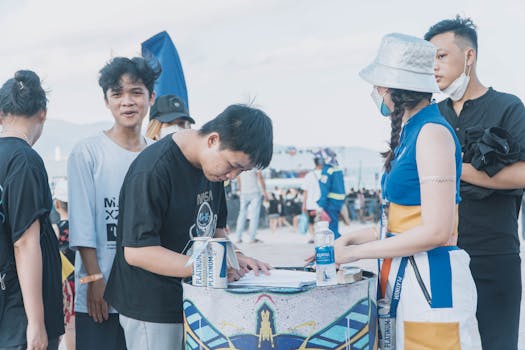
Volunteering at a festival is dynamic, sometimes hectic, but always rewarding. Here’s what you can expect from your experience:
- Shift Patterns: Volunteers typically work 3–8 hour shifts per day. Most festivals require a minimum commitment (e.g., three shifts over the event). Some offer flexibility in scheduling, while others assign shifts in advance. - Training: Orientation sessions cover festival policies, safety, emergency procedures, and role-specific tasks. For example, at Boomtown Fair (UK), volunteers complete an online health and safety module before arrival. - Teamwork: You’ll work alongside other volunteers and staff, often forming lasting friendships. Communication and adaptability are key — sometimes roles change based on festival needs. - Behind-the-Scenes Access: Volunteers often get to see parts of the festival off-limits to regular guests, such as artist areas, production zones, or staff lounges. - Challenges: Be prepared for long hours, unpredictable weather, and busy periods. However, most volunteers find the camaraderie and unique experiences outweigh any challenges.According to a 2022 study by the European Festivals Association, 92% of festival volunteers felt their contribution made a positive impact, and 78% planned to volunteer again.
Tips for a Successful Festival Volunteer Application
Competition for festival volunteer spots can be stiff, especially at major events. Here are some strategies to improve your chances:
- Apply Early: Some festivals fill volunteer positions within days of opening applications. - Be Flexible: Indicate willingness to take on any role or work unpopular shifts (early mornings or late nights). - Highlight Relevant Skills: Mention languages, customer service experience, or previous volunteering. - Stay Professional: Treat your application like a job application — check spelling, complete all fields, and provide accurate references if requested. - Follow Up: If you don’t hear back in a reasonable time, send a polite email confirming your application status.For first-timers, smaller or local festivals often have less competition and provide a great learning environment. Building experience can help you land spots at larger or international events in the future.
Long-Term Benefits: How Festival Volunteering Boosts Your Future
The advantages of festival volunteering extend far beyond the event itself. Many volunteers use their experience as a stepping stone to paid roles in events, hospitality, or the arts.
Consider these long-term benefits:
- Resume Building: Festival volunteering demonstrates teamwork, adaptability, time management, and customer service skills — all attractive to employers. - Career Opportunities: Many event managers, production staff, and artists started as festival volunteers, using networking opportunities to launch their careers. - Personal Growth: Volunteering builds confidence, resilience, and a sense of accomplishment. According to a 2021 Volunteer Ireland survey, 88% of festival volunteers reported improved well-being and social connections.Some festivals also issue certificates, letters of recommendation, or LinkedIn endorsements, which can be valuable for job or university applications.
Final Thoughts on Registering as a Festival Volunteer
Registering as a festival volunteer opens the door to unforgettable experiences, new friendships, and personal growth. The process is straightforward if you prepare in advance, choose the right event for your interests, and approach your application with care. From building your resume to gaining insider access, the rewards of festival volunteering go far beyond the event itself. Whether you’re a seasoned volunteer or a curious first-timer, your contribution helps create the magic that keeps festivals thriving year after year.