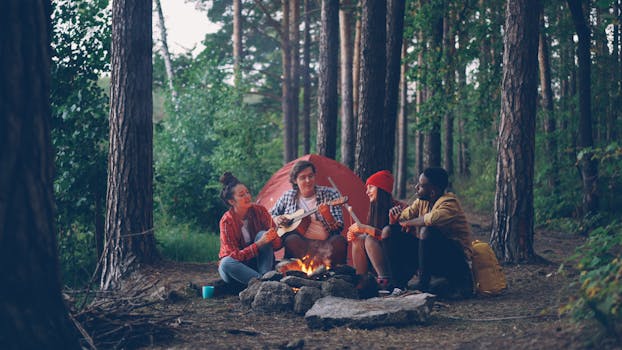
Heading to your first music festival is a thrilling adventure, but the excitement can quickly fade if you’re unprepared for nights under the stars. The right camping gear can make the difference between an unforgettable weekend and a soggy, sleepless ordeal. Whether you’re a solo festival-goer or part of a lively group, knowing how to choose the best festival camping gear is essential for comfort, safety, and making the most of your festival experience. This guide is designed specifically for beginners, breaking down the essentials, what to look for, and how to avoid common pitfalls.
Understanding Your Festival Camping Needs
Before diving into gear lists, it’s important to assess your specific needs. Not all festivals or campsites are created equal. Some festivals offer glamping options, while others provide only the basics—a patch of grass and access to shared toilets. Here are key factors to consider:
- $1 A one-night event requires different gear than a week-long festival. - $1 Research historical weather for the festival location and season. In 2023, 43% of European festivals experienced rain at least one day, according to Festicket. - $1 Some campsites have showers, charging stations, or lockers. Many, however, do not. - $1 Sharing gear with friends can save space and money, but solo campers need to be fully self-reliant.Take time to read the festival’s official website to understand what’s allowed and what’s not. Some events prohibit certain tent sizes, glass bottles, or even specific types of stoves for safety reasons.
.png)
Essential Camping Gear for Festival Beginners
At a minimum, you’ll need shelter, sleep gear, and basic personal items. But what’s essential for one person might be overkill for another. Here’s a breakdown of the must-have items for any beginner:
1. $1 Choose a tent that’s easy to pitch, waterproof, and sized for one more person than you expect (for extra gear storage). For example, a 3-person tent is perfect for two people with backpacks. 2. $1 Look for a sleeping bag rated for temperatures 5°C lower than the forecasted lows. Cheap bags can be too thin for chilly nights. 3. $1 Insulates against cold ground and adds comfort. Self-inflating mats are popular for their ease of use. 4. $1 Sitting on wet or muddy grass gets old fast. A lightweight, foldable chair is a gamechanger. 5. $1 Campsites are dark at night, and you’ll need hands-free light for late-night trips to the loos. 6. $1 Many festivals have refill stations; single-use plastic bottles are often banned. 7. $1 Charging your phone at communal stations can mean long waits. A 10,000mAh power bank typically charges most smartphones twice. 8. $1 Pack for rain and sun. Waterproof jackets and wellies are festival staples in Europe.Comparing Popular Festival Tent Types
Choosing the right tent is one of the most important decisions. Let’s compare three common types:
| Type | Setup Time | Weather Resistance | Weight | Best For | Typical Price Range (EUR) |
|---|---|---|---|---|---|
| Pop-up Tent | 2-3 minutes | Low to Moderate | Light (2-4kg) | Short festivals, beginners | 30-70 |
| Dome Tent | 10-20 minutes | Moderate to High | Medium (3-6kg) | All-round use, small groups | 50-150 |
| Tunnel Tent | 15-30 minutes | High | Heavy (5-10kg) | Families, large groups | 100-250 |
Pop-up tents are famous for their speed but can struggle in wind and heavy rain. Dome tents offer a balance of ease and durability, while tunnel tents provide the most space and stability but are bulkier and more expensive.
Smart Packing: Space-Saving and Multi-Use Festival Gear
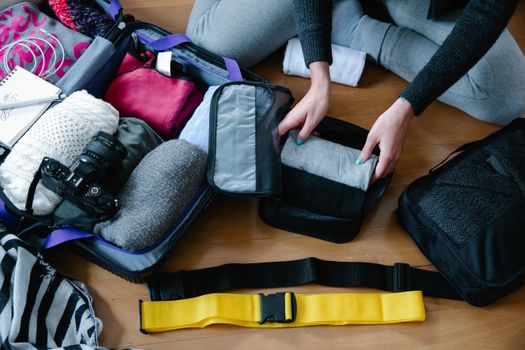
Space is at a premium in both your backpack and your tent. Choose multipurpose gear to lighten your load. Here’s how:
- $1 Modern waterproof jackets can be stuffed into their own pockets, saving space. - $1 Instead of carrying a separate knife, bottle opener, and scissors, opt for a lightweight multi-tool. - $1 Microfiber towels dry up to 10 times faster than cotton and take up less space. - $1 Silicone bowls and cups collapse flat, and compact camping stoves are a must if the festival permits them.Did you know? According to Decathlon, over 60% of festival campers regret overpacking on their first outing—prioritize essentials and leave non-essentials at home.
Weather-Proofing Your Festival Campsite
Adverse weather is one of the top causes of poor festival experiences. Here’s how to keep your gear and yourself dry and comfortable:
- $1 Avoid pitching at the bottom of hills or near water—these spots are prone to flooding. - $1 Always use a groundsheet or tarp under your tent; it’s your first defense against damp ground. - $1 Secure your tent properly, even if the weather seems fine. Winds can pick up suddenly. - $1 Pitch a tarp over your tent entrance for a communal dry area where you can cook or relax. - $1 To prevent condensation, keep tent vents open whenever possible—even in rain.Statistics show that 1 in 5 festival-goers in the UK experience tent flooding at least once (YouGov, 2022). Being prepared ensures you’re not among them.
Eco-Friendly and Sustainable Festival Camping Choices
With over 3 million tents abandoned at European festivals annually (BBC, 2019), sustainability is a growing concern. Here’s how to camp responsibly:
- $1 Invest in gear you’ll use again, rather than cheap “disposable” tents. The average lifespan of a mid-range tent is 5-7 years with proper care. - $1 Bring a reusable cup, cutlery, and plates. Many festivals now require this. - $1 Reduce reliance on communal charging points and fossil fuels. - $1 Pack out everything you bring in, including trash and recyclables.Some brands, such as Quechua and Vango, now offer tents made from recycled materials. Look for eco certifications or brands with take-back programs for old gear.
Safety and Security: Protecting Yourself and Your Belongings
Camping at a festival isn’t just about comfort—it’s also about safety. Here are key tips:
- $1 Use a small padlock on your tent zipper when you’re away. While it won’t stop a determined thief, it deters opportunists. - $1 Keep valuables with you at all times or use festival-provided lockers if available. - $1 With thousands of similar tents, marking yours with a flag or colorful tape helps you find it and deters accidental intruders. - $1 Bring a small kit with plasters, painkillers, and blister care. According to the British Red Cross, 1 in 10 festival-goers require minor medical attention. - $1 Dehydration and poor nutrition are common causes of illness at festivals. Plan simple, nutritious meals and drink water regularly.Final Thoughts on Choosing the Best Festival Camping Gear
Your first festival camping experience should be memorable for all the right reasons. By carefully considering your gear choices—prioritizing quality, versatility, and sustainability—you’ll be well-equipped to handle whatever the weekend throws your way. Remember that preparation is key: check the festival rules, pack smartly, and always account for unpredictable weather. Investing time now in choosing the best festival camping gear pays off with comfort, safety, and an unforgettable festival adventure.