If you’re gearing up for a weekend at a festival—be it music, food, culture, or arts—the anticipation can be thrilling. But as any seasoned festival-goer knows, the difference between an unforgettable experience and a chaotic one often comes down to careful planning. From sorting out how you’ll get there to finding the perfect place to rest your head, a little forethought can save you time, stress, and money. Here’s your in-depth guide to effectively planning your festival weekend, ensuring you make the most out of every moment.
Setting Your Festival Priorities and Budget
Before diving into logistics, start by clarifying your festival objectives and budget. Are you looking for a fully immersive experience, or do you want to dip in only for headliner acts? Is comfort your top priority, or are you ready to rough it for the sake of adventure?
According to Statista, the average festival-goer in Europe spent around €200-€300 on a weekend event in 2023, covering tickets, food, and accommodation. However, this figure can skyrocket for premium festivals or VIP experiences. Break down your budget into transportation, accommodation, tickets, food, and extras (like merchandise or side events). This helps you set realistic expectations and prevents unpleasant surprises.
.png)
Example: Let’s say you’re attending a three-day music festival in Prague. Tickets cost €120, you estimate €100 for accommodation, €60 for food and drinks, and €40 for transportation and other expenses. Your total budget: €320.
Tip: Account for hidden costs like parking fees, shuttle rides, or lockers.
Choosing the Best Transportation to the Festival
How you get to and from the festival is a crucial part of your planning. Your choice will depend on the festival’s location, your budget, and your desire for flexibility or convenience.
Popular transportation options include:
- Train or Bus: Eco-friendly, affordable, and often run special festival routes. - Carpooling: Reduces costs and environmental impact, but requires coordination. - Driving Yourself: Offers maximum flexibility, but factor in parking availability and costs. - Festival Shuttles: Many large festivals operate shuttles from nearby cities or transport hubs. - Flights: For international or remote festivals.Here’s a comparison of typical options for a Czech festival weekend:
| Transport Option | Average Cost (Return) | Travel Time (From Prague) | Pros | Cons |
|---|---|---|---|---|
| Train | €20-€40 | 1-3 hours | Comfortable, direct routes, eco-friendly | Fixed schedules, may sell out |
| Carpool | €15-€30 | 1-3 hours | Flexible, meet new people | Coordination needed, less privacy |
| Own Car | €40-€70 (fuel & parking) | 1-3 hours | Ultimate flexibility, carry more gear | Parking fees, traffic, driver must stay sober |
| Bus | €10-€25 | 1.5-4 hours | Budget-friendly, frequent departures | Longer travel times, less comfort |
| Festival Shuttle | €5-€15 | Varies (short hops) | Direct to venue, no parking worries | Limited seats, may require advance booking |
Consider booking tickets in advance, especially for peak times. In 2022, RegioJet trains to major Czech festivals sold out weeks before the events. If you’re traveling with a group, apps like BlaBlaCar (for carpooling) or Rome2Rio (for multimodal planning) can help you coordinate.
Deciding Between Camping and Alternative Accommodation
Accommodation is often the biggest factor shaping your festival experience. While camping is the classic choice, especially at music festivals, alternative options are increasingly popular for those seeking comfort, convenience, or unique amenities.
Here are your main choices:
1. Festival Camping: Typically the most affordable and immersive, with prices ranging from €10-€40 per person for a weekend. Many festivals offer both bring-your-own-tent and pre-pitched options. 2. Hotels and Hostels: Perfect for those who value a good night’s sleep and a hot shower. Prices can range from €40 (hostel bed) to €150+ (hotel room) per night during festival weekends. 3. Airbnb/Short-Term Rentals: Great for groups or those wanting home comforts. Book early—according to Booking.com, demand for local rentals spikes by up to 80% during major events. 4. Glamping: Combines the fun of camping with luxury amenities. Expect to pay €100-€300 per night for a glamping package. 5. Nearby Guest Houses or B&Bs: Often overlooked, but can offer the best of both worlds—proximity and comfort. Key considerations: - Proximity to festival grounds (walking distance vs. shuttle required) - Facilities (showers, toilets, security) - Noise levels (some campsites have “quiet zones”) - Booking deadlines (many options sell out months in advance)Example: At Colours of Ostrava, festival camping can host over 5,000 tents, but nearby hotels in Ostrava typically reach 95% occupancy during the event.
Mastering Festival Logistics: Arrival, Check-In, and Essentials
Arriving at a festival is often half the adventure. To make your check-in and setup as smooth as possible, pay close attention to logistical details.
- Entry Hours: Most festivals have specific arrival windows for campers and day visitors. Arriving early (often the morning the gates open) gives you the best choice of camping spots and shorter lines. - Parking: If driving, check if you need a parking permit. Some festivals, like Rock for People, offer separate lots for campers and day visitors. - Luggage: Use a sturdy backpack or trolley for transporting gear from parking to campsite—distances can be up to 1km at large venues. - Packing Essentials: Beyond the basics (ID, tickets, cash/card), don’t forget items like portable chargers, reusable water bottles, earplugs, rain ponchos, and a first-aid kit. - Festival App: Many modern festivals have their own apps, offering site maps, schedules, and real-time notifications. Download and set up the app before you arrive.Pro tip: Label your tent and valuables, and use a combination lock for added security.
Maximizing Your Festival Experience: Scheduling and Safety
With logistics sorted, focus on making the most of your festival weekend. Start by studying the lineup and creating a rough schedule. Many festivals have overlapping performances and side events—prioritize your must-see acts, but leave room for spontaneity.
- Set Meeting Points: Large festivals can be crowded and mobile networks overloaded. Choose a landmark as a group meeting spot. - Health and Safety: According to the European Festivals Association, dehydration and heatstroke are among the most common festival medical issues. Drink plenty of water, use sunscreen, and know where the medical tents are located. - Cash vs. Card: Many festivals now use cashless wristbands, but always bring a small amount of cash just in case. In 2023, over 60% of Czech festivals operated fully cashless. - Accessibility: If you have mobility needs, check for accessible entrances, viewing platforms, and restroom facilities.Tip: Don’t forget downtime. Schedule breaks to enjoy local food, explore festival markets, or simply relax and soak in the atmosphere.
Weather-Proofing Your Festival Weekend
The weather can make or break a festival weekend, especially if much of it is outdoors. In Central Europe, summer temperatures can swing from 15°C and rainy to 35°C and sunny in the span of a weekend.
- Check the Forecast: Use reliable sources like Windy or the Czech Hydrometeorological Institute for up-to-date information. - Pack for Extremes: Bring both rain gear (poncho, waterproof shoes) and sun protection (hat, sunglasses, SPF 30+ sunscreen). - Tent Setup: Choose higher ground to avoid flooding, and use extra tent pegs in case of wind. - Clothing: Dress in layers for fluctuating temperatures. Synthetic fabrics dry faster than cotton if you get caught in a downpour.Example: At the 2022 Metronome Festival in Prague, a sudden storm led to muddy conditions—those with waterproof boots and tarps fared far better than others.
Smart Packing: What to Bring (and What to Leave Behind)
Packing efficiently is an art. Here’s a quick checklist of must-haves and items best left at home:
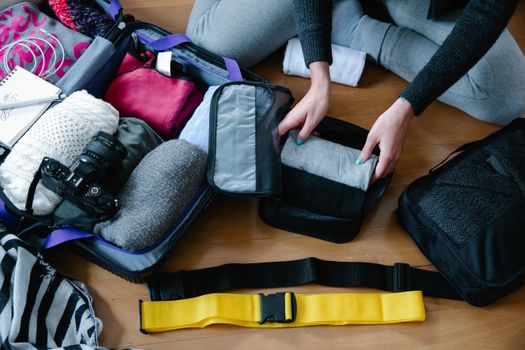
Must-Haves: - Festival ticket/wristband and ID - Reusable water bottle (many festivals have refill stations) - Power bank/charger - Weather-appropriate clothing and sturdy shoes - Earplugs and eye mask - Basic toiletries and medications - Small first-aid kit - Snacks (energy bars, fruit) - Map or festival app Leave Behind: - Glass bottles (often prohibited) - Large speakers (noise complaints) - Drones (usually banned for safety) - Excessive valuables (limit theft risk)By packing wisely, you’ll be prepared for common festival challenges while traveling light enough to enjoy yourself.
Final Tips for a Seamless Festival Weekend
Effective festival planning is all about balancing adventure with practicality. By addressing transportation, accommodation, logistics, and essentials ahead of time, you set yourself up for a stress-free, memorable weekend. Remember: book early, stay flexible, and prioritize comfort and safety.
Whether you’re camping under the stars or unwinding in a cozy hotel, the right preparation will let you focus on what matters most—the music, culture, experiences, and friendships that make festivals unforgettable.