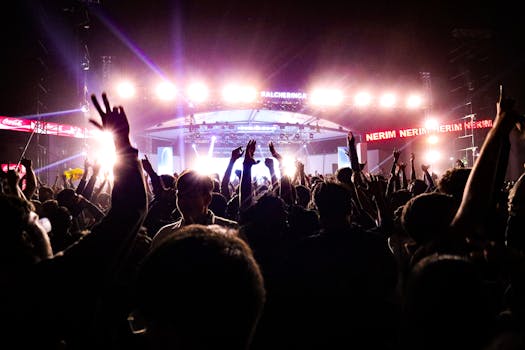
Catching the excitement of a festival, concert, or cultural event often starts before you even arrive—specifically, with your journey there. For visitors, especially those unfamiliar with the city or country, navigating public transport can be a key factor in ensuring a smooth, enjoyable experience. Whether you're traveling to a bustling urban arena or a rural music festival, public transit offers an eco-friendly, cost-effective, and surprisingly efficient way to get to your event. This practical guide explores essential tips, planning strategies, and insider advice to help you confidently reach any event by public transport, wherever your adventures may take you.
Why Choose Public Transport for Your Event Journey?
Using public transport to get to events is more than just a convenient option—it's often the smartest choice. In 2023, over 58% of attendees at major European festivals reported using trains, trams, or buses to reach their destinations, according to the European Festival Association. The reasons are compelling:
- $1: Public transport tickets usually cost a fraction of parking fees or ride-hailing services. For example, a day pass on Prague’s public transport network costs just 120 CZK (about €5), while city-center parking can exceed 800 CZK (€33) per day. - $1: Trains and buses produce up to 76% fewer greenhouse gas emissions per passenger-kilometer than private cars, according to the European Environment Agency. - $1: Many event venues are located near major transport hubs, with special event shuttles available.Choosing public transport also frees you from the stress of traffic jams, parking hassles, and designated driver duties—letting you focus on the fun ahead.
.png)
Planning Your Route: Tools and Strategies for Stress-Free Travel
The key to a smooth public transport journey is advance planning. Here’s how to prepare:
1. $1: Start by identifying the exact address of the event. Visit the event’s official website for specific directions and recommended transport links. Many festivals and stadiums provide detailed “Getting Here” sections. 2. $1: Digital tools have revolutionized route planning. Popular apps like Google Maps, Citymapper, and local transit authorities’ apps (such as PID Lítačka in Prague) provide real-time route options, schedules, and service updates. These apps factor in current traffic and disruptions, ensuring you choose the fastest route. 3. $1: Some major events organize special shuttle buses, extended metro hours, or extra tram lines. For example, Prague’s O2 Arena regularly coordinates with DPP (the city’s transit operator) to run additional night services after big concerts. 4. $1: Connectivity can be patchy near large venues or rural festival sites. Download maps and schedules to your phone in advance. 5. $1: Sometimes, public transport brings you close but not directly to the venue. Research walking routes, bike-share options, or official event shuttles to cover the final stretch.Timing is Everything: When to Travel and How to Avoid the Crowds
Timing your journey can dramatically enhance your event experience. Here’s how to get it right:
- $1: Aim to arrive at least 60-90 minutes before the event starts. This buffer allows for unexpected delays and gives you time to collect tickets or clear security checks. - $1: If possible, steer clear of rush hour (typically 7-9 AM and 4-6 PM in major cities), when trains and buses are most crowded. - $1: Before leaving, confirm that your planned route is running smoothly. For instance, during Prague’s 2022 Signal Festival, temporary tram diversions caused significant delays for unprepared visitors. - $1: Know the schedule of the last train, tram, or bus back to your accommodation. Many cities offer special “event night” services—take advantage of these when available.Ticketing Tips: How to Secure the Right Fare and Save Money
Navigating ticketing systems can be daunting, especially for international visitors. Here’s how to make the process simple—and even save a little cash:
- $1: Use official apps or vending machines to purchase tickets before boarding. In cities like Prague and Vienna, ticket inspectors frequently patrol, and fines for fare evasion can reach up to 1,500 CZK (€60). - $1: Consider day passes or group tickets if you’ll make multiple trips. For example, Prague’s 24-hour pass allows unlimited rides for just 120 CZK, while a single transfer ticket is 40 CZK. - $1: Occasionally, event tickets double as a transit pass (e.g., Munich’s Oktoberfest or the Brno Moto GP), granting free rides on event days. - $1: In many European cities, tickets must be validated (stamped) before your first ride. Forgetting this step is a common—and costly—mistake. - $1: Increasingly, buses and trams accept contactless cards or mobile payments, streamlining the process.Packing and Preparation: What to Bring for a Smooth Public Transport Experience
A little foresight can make your public transport journey much more comfortable and hassle-free:
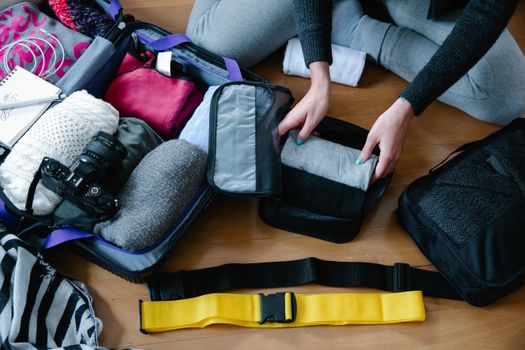
- $1: Large bags or suitcases are a challenge on crowded trams and buses. Stick to essentials—a small backpack, your event ticket, ID, water bottle, and a phone charger. - $1: Some events and transit systems limit bag size or prohibit certain items (like glass bottles or large umbrellas). - $1: If you expect to queue outside or walk from the stop, pack a compact raincoat or sunhat. - $1: Although most urban transit is cashless, rural buses or festival shuttles may only accept coins. - $1: It’s wise to carry water and a light snack, especially if your journey involves transfers or rural routes.Comparing Transport Modes: Trains, Trams, Buses, and Event Shuttles
Each mode of public transport has its strengths and limitations for event-goers. Here’s a comparison to help you decide what suits your journey best:
| Mode | Average Cost (CZK/€) | Speed | Coverage | Best For |
|---|---|---|---|---|
| Train | 100-500 CZK (€4-€20) | Fast (up to 160km/h) | Intercity, Suburban | Long-distance, regional events |
| Tram | 30-40 CZK (€1-€1.60) | Medium (20-50km/h) | City centers, near venues | Urban festivals, arenas |
| Bus | 30-60 CZK (€1-€2.40) | Variable (20-90km/h) | Urban, suburban, rural | Outskirts, smaller towns |
| Event Shuttle | Free-100 CZK (€0-€4) | Direct, often express | Venue-specific | Large events, remote locations |
For example, if you’re heading to Brno for a motorsport event, taking a train from Prague (average journey: 2.5 hours, 400 CZK/€16) followed by an event shuttle is the most efficient option. For city-center concerts, trams or metro lines are typically the fastest.
Real-World Examples: Public Transport Success Stories
Let’s look at how a few popular events make public transport work for visitors:
- $1: This major Czech music festival attracts over 40,000 visitors annually. Organizers coordinate with Czech Railways to add special trains and provide shuttle buses from Ostrava’s main station directly to the festival gates. In 2022, 65% of attendees used these services, reducing local traffic congestion by 40%. - $1: Held in the city center, this light art event encourages attendees to use trams and the metro. The city extends night tram services and offers special festival travel passes, making late-night returns safe and convenient. - $1: Located outside Prague, this festival partners with both regional trains and private shuttle buses. In 2023, over 50% of visitors arrived via train and shuttle, with the rest using carpooling or chartered buses.These examples show how well-coordinated public transport not only eases the journey for thousands of visitors but also helps cities manage crowds and minimize environmental impact.
Final Thoughts: Making the Most of Public Transport for Events
Getting to your favorite events by public transport is not only practical—it’s part of the adventure. With a bit of advance planning, the right tools, and an understanding of local systems, you can enjoy a stress-free journey while saving money and supporting sustainable travel. Remember to check your route, give yourself extra time, and take advantage of event-specific services wherever possible. As more organizers and cities invest in integrated transport solutions, public transit remains the best way to start—and end—your event experience on the right note.