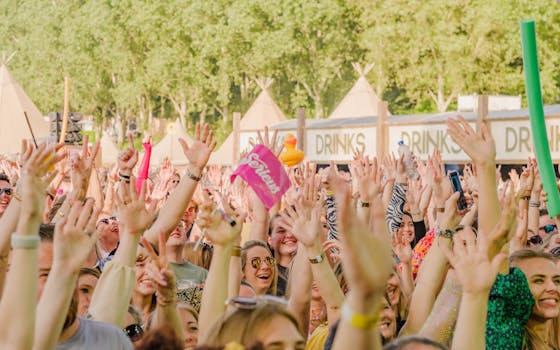
Waiting in line can be one of the most frustrating parts of attending events and festivals. Whether it’s a sold-out music festival, a bustling food fair, or a major sporting event, long queues for entry, food, drinks, and restrooms can eat up precious time and dampen your overall experience. In fact, a 2022 survey by Eventbrite found that 61% of festival-goers cited excessive waiting as their top complaint. But what if you could bypass the worst lines and maximize your time enjoying the event? With the right strategies, technology, and insider knowledge, you can significantly reduce — or even eliminate — your waiting time. This guide will show you how.
Understanding Why Queues Form at Events
Before learning how to avoid queues, it’s helpful to understand why they form in the first place. Most queues at events and festivals are caused by bottlenecks at key areas: entrances, food and drink stalls, restrooms, merchandise stands, and transportation hubs. Several factors contribute to long waits:
- Peak arrival times: Most attendees arrive close to the event’s start time, creating surges. - Security protocols: Increased security measures can slow down entry points. - Manual processes: Paper tickets, cash payments, and ID checks add to the wait. - Limited service points: Too few stalls or staff can’t keep up with demand. - Popular attractions: Big-name artists or special attractions create localized crowds.According to a 2023 report by Statista, the average attendee at a major European music festival spends 27 minutes waiting in lines throughout the day. At particularly crowded events, this can exceed 45 minutes. By understanding when and where queues form, you can plan to avoid them more effectively.
.png)
Leverage Technology: Fast-Track and Smart Solutions
One of the most effective ways to bypass lines is by making use of technology designed to streamline event experiences. Here are key tools and tips:
1. Digital Tickets and Mobile Check-In Many events now offer e-tickets and QR code scanning at entrances. Download your ticket in advance, and use dedicated mobile check-in lanes where available. According to Eventbrite, digital ticket holders have 30% faster entry times compared to those using paper tickets. 2. RFID Wristbands and Cashless Payments RFID (Radio Frequency Identification) wristbands are increasingly common at large festivals. These wristbands can be preloaded with funds and used for entry, food, drinks, and merchandise. A 2022 Live Nation study found that cashless RFID systems cut transaction times by 60%, significantly reducing queues at busy stalls. 3. Event Apps and Real-Time Updates Many major festivals and events offer official apps that provide live updates on queue lengths, waiting times, and the best times to visit certain areas. Some even allow you to pre-order food and drinks. For example, the Sziget Festival app in Budapest offers real-time updates on restroom and vendor wait times. 4. Express or VIP Upgrades Some events offer express lanes or VIP passes for an additional fee. These can grant you priority entry, exclusive food and drink stalls, and access to cleaner, less crowded restrooms. While this comes at a cost, it can be invaluable at high-demand events.Timing Is Everything: Strategic Arrival and Break Planning
The time you choose to arrive and when you take breaks can make a huge difference in your queue experience. Here’s how to plan strategically:
- $1: Most attendees arrive within 30 minutes before or after the official start time. By arriving an hour early, or waiting until the initial rush subsides, you can breeze through entry points with minimal waiting. - $1: Food and drink lines peak during typical meal times (12:00-14:00 and 18:00-20:00). Plan your meals outside these windows — a late lunch at 15:00 or an early dinner at 17:00 can mean much shorter waits. - $1: Restrooms are busiest during set breaks or after headline acts. Go against the flow by visiting during performances or less popular slots. - $1: If you’re with friends, split up for food, drinks, and restrooms, then regroup. This ensures someone always holds your spot or brings back refreshments.Here’s a comparison table showing average wait times based on timing strategies, based on 2023 festival data:
| Activity | Peak Time Wait | Off-Peak Wait | Fast-Track/Tech Wait |
|---|---|---|---|
| Entry | 25 minutes | 7 minutes | 3 minutes |
| Food/Drinks | 20 minutes | 6 minutes | 2 minutes |
| Restrooms | 15 minutes | 4 minutes | 1 minute (VIP/Express) |
As shown, using timing and technology together can reduce your total waiting time from over an hour to under 15 minutes.
Insider Tips: Local Knowledge and Hidden Gems
Every event and festival has its quirks, and knowing a few insider secrets can save you a lot of time. Here are some tips from seasoned event-goers:
- $1: Check maps and ask staff about secondary or lesser-used entrances. These are often overlooked and far less crowded. For example, at Prague’s Metronome Festival, the side entrances are typically half as busy as the main gate. - $1: Food and drink stalls near main stages draw the biggest crowds. Seek out vendors tucked away near secondary stages or quieter areas — the lines are usually much shorter. - $1: Portable toilets farthest from main attractions or near the exits are often cleaner and less crowded. - $1: If you want event merchandise, shop as soon as you arrive — lines are shortest in the first hour, and popular items sell out quickly. - $1: Event staff and volunteers often know which lines are shortest at the moment. Don’t hesitate to ask for their recommendations.Advance Planning: Prepare to Skip the Lines
A little planning before the event pays big dividends. Here’s how to set yourself up for a queue-free experience:
- $1: Ensure your event app, digital tickets, and payment apps are downloaded and updated before arrival. Screenshot your tickets in case of poor connectivity. - $1: If the event uses RFID or cashless payment, load funds in advance to avoid on-site top-up queues. - $1: Study the event map to identify entrances, vendor locations, restrooms, and emergency exits. Mark alternative routes for quick access. - $1: Carry a refillable water bottle and snacks to minimize trips to vendors. If permitted, bring a small power bank to keep your phone charged for tickets and apps. - $1: Decide in advance who will queue for what, and set meetup points. This reduces time wasted searching for each other.Case Study: Queue-Busting at Major European Festivals
To see these strategies in action, let’s look at two of Europe’s largest festivals: Glastonbury in the UK and Colours of Ostrava in the Czech Republic.
At Glastonbury, which attracts over 200,000 attendees, RFID wristbands and a robust event app have cut average entry wait times by 40% since 2019. Early arrivals now get in within 15 minutes, while those who wait until noon may queue for over an hour. Food queues are minimized by mobile ordering, which 35% of attendees now use.
Colours of Ostrava, welcoming 50,000+ visitors, has introduced express lanes for digital ticket holders and expanded the number of food and restroom stations. In 2023, wait times for food dropped to just 5 minutes for those using off-peak hours and cashless wristbands.
These examples show that with the right preparation and technology, you can enjoy world-class events with minimal time spent in line.
Final Thoughts: Making the Most of Your Event Experience
Long queues don’t have to be an inevitable part of festivals and events. By taking advantage of technology, strategic timing, insider tips, and careful preparation, you can reclaim hours that would otherwise be wasted in line. As event organizers continue to innovate with cashless payments, real-time apps, and improved logistics, the power to avoid waiting is increasingly in your hands. Next time you plan to attend an event, use these strategies to maximize your time, reduce frustration, and focus on what really matters—enjoying the experience to the fullest.