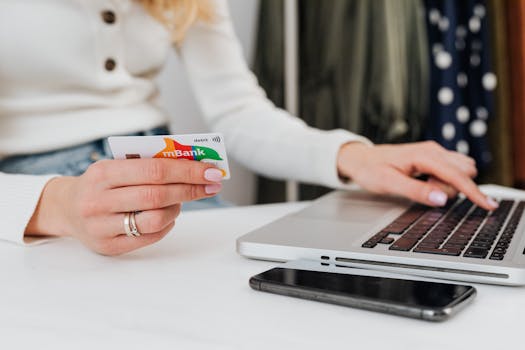
In today’s hyper-connected world, buying tickets online has become second nature—whether you’re snagging seats for a sold-out concert, a championship game, or the latest theater sensation. But as digital ticketing surges in popularity, so do the risks of fraud, scams, and security breaches. According to a 2023 Statista report, over 25% of global ticket buyers expressed concerns about online ticket fraud, with the Better Business Bureau receiving nearly 4,000 ticket scam complaints in the United States alone last year. In this comprehensive guide, we’ll explore the evolving landscape of digital ticketing security, the latest threats, and the smart steps you can take to ensure your ticket purchase is safe, secure, and stress-free.
Understanding the Digital Ticketing Landscape
The ticketing industry has undergone a dramatic transformation over the last decade. Gone are the days of waiting in line for paper tickets at a box office. Today, over 80% of event tickets are sold online, leveraging e-tickets, QR codes, and mobile wallet integrations. With this shift comes convenience but also new vulnerabilities.
Digital ticketing platforms now use advanced technology such as blockchain verification, dynamic barcodes, and encrypted delivery. However, the rapid adoption of these technologies has also opened new doors for cybercriminals. Phishing sites, fake resale platforms, and sophisticated bots are just some of the threats targeting unsuspecting buyers.
.png)
A 2022 Deloitte study found that 17% of consumers who purchased event tickets online encountered some form of ticket-related fraud or scam. With such statistics in mind, understanding the players, processes, and pitfalls in digital ticketing is the essential first step toward protection.
The Biggest Threats to Secure Ticket Purchases
While digital ticketing makes access easier, it’s also a magnet for scam artists. Here are the most common threats facing consumers today:
1. $1 Fraudsters create convincing replicas of legitimate ticketing platforms. These sites often rank highly on search engines and mimic the branding, logos, and layout of real companies, tricking users into entering payment details and personal information. 2. $1 With basic graphic design and printing tools, scammers can forge e-tickets that look real but won’t scan at the venue. In 2022, Live Nation estimated that nearly 12% of tickets reported as invalid at their events were traced to counterfeiting. 3. $1 Scammers use email, SMS, or social media messages to lure buyers into clicking malicious links or sharing sensitive information. According to the Anti-Phishing Working Group, phishing attacks targeting ticket buyers increased by 30% between 2021 and 2023. 4. $1 Buying from individuals on social media or classifieds sites presents risks, particularly if the seller requests payment via untraceable methods like wire transfer or cryptocurrency. 5. $1 Automated bots buy up large volumes of tickets the moment they go on sale, which are then resold at inflated prices. While not always illegal, this practice often leaves real fans paying more and increases the temptation to buy from less reputable sources.How Ticketing Platforms Are Enhancing Security
To counter these threats, ticketing companies are continually innovating. Here’s a look at the most common—and effective—security measures in use today:
- $1 Unlike static QR codes, dynamic barcodes change periodically, making it much harder for fraudsters to duplicate tickets. - $1 Some platforms use blockchain technology to create a tamper-proof record of ticket issuance and transfer. This ensures authenticity and helps trace ownership history. - $1 Requiring a second form of verification—like a text message code—makes it much harder for hackers to gain access to your account or tickets. - $1 Leading vendors such as Ticketmaster and Eventbrite offer secure transfer systems that let buyers and sellers exchange tickets within a controlled environment, reducing the risk of fraud. - $1 Machine learning algorithms now detect suspicious transactions instantly, flagging unusual buying patterns and blocking fraudulent purchases.The following table compares common security features across major ticketing platforms:
| Platform | Dynamic Barcodes | Blockchain Verification | Secure Transfer | Multi-Factor Authentication |
|---|---|---|---|---|
| Ticketmaster | Yes | No | Yes | Yes |
| Eventbrite | Yes | Yes (select events) | Yes | Yes |
| AXS | Yes | No | Yes | Yes |
| StubHub | No | No | Yes | Yes |
Best Practices for Secure Ticket Purchases
Given the risks, what can you do as a consumer to protect yourself? Here are proven best practices for safer digital ticket buying:
1. $1 Whenever possible, purchase tickets from the event’s official website or authorized ticketing partners. Always verify the URL and look for secure “https” protocols. 2. $1 If a ticket is being sold far below face value, especially for high-demand events, it’s a red flag. Scammers often lure buyers with unrealistic discounts. 3. $1 For resale purchases, use platforms that verify sellers or offer buyer protection guarantees. Read reviews and check for a history of successful transactions. 4. $1 Credit cards offer stronger fraud protection than wire transfers, gift cards, or cryptocurrency. Many card providers will also reimburse you if you’re the victim of a scam. 5. $1 Before completing your purchase, double-check event dates, times, seating information, and refund policies to ensure accuracy and legitimacy. 6. $1 Use strong, unique passwords for your ticketing accounts and enable multi-factor authentication when available. 7. $1 While not all peer-to-peer sellers are scammers, platforms like Facebook Marketplace and Craigslist have far fewer safeguards. Proceed with extreme caution.The Role of Mobile Wallets and Contactless Ticketing
The COVID-19 pandemic accelerated the adoption of contactless ticketing, with mobile wallets like Apple Wallet and Google Pay becoming standard for everything from concerts to sports games. A 2023 Juniper Research report estimates that over 1.6 billion event tickets will be delivered via mobile wallets by 2027.
Mobile wallets provide several security benefits:
- $1 Sensitive payment and ticket details are replaced with encrypted tokens, minimizing exposure if data is intercepted. - $1 Accessing tickets often requires fingerprint or facial recognition, adding an extra layer of security. - $1 If your phone is lost or stolen, you can remotely wipe wallet data, protecting your tickets from unauthorized use.However, the popularity of mobile ticketing also attracts new scams, such as fake apps and phishing emails promising "free" ticket upgrades. Always download ticketing apps from official app stores and never share ticket screenshots online, as these can be copied and used by fraudsters.
Future Trends: How Technology is Shaping Ticket Security
The ticketing industry is constantly evolving to stay ahead of cybercriminals. Here are some innovations on the horizon:
- $1 Venues are piloting facial recognition systems for ticket authentication, reducing the risk of ticket loss or theft. While promising, this raises privacy concerns that must be balanced with security gains. - $1 Some events are experimenting with blockchain-based NFT tickets, which provide a unique, traceable digital certificate of ownership. Early trials have shown promise in preventing counterfeiting and simplifying resale. - $1 Tickets that only activate when your device is physically near the venue could soon become standard, making it much harder for remote scammers to profit. - $1 Advanced machine learning systems continue to improve at catching scammers by analyzing millions of data points in real time.By 2025, industry analysts predict that over 90% of major event tickets will use some form of advanced digital authentication—dramatically reducing fraud risk while streamlining the entry process for fans.
Staying Vigilant: Your Role in Safe Digital Ticketing
Securing your ticket purchase in the digital age is a shared responsibility. While platforms and venues continue to innovate, your vigilance as a buyer is the crucial last line of defense. Remember: most ticket scams succeed not because of sophisticated technology, but because of lapses in consumer caution.
By staying informed about the latest threats, using secure platforms, and following best practices, you can enjoy all the benefits of digital ticketing—without the stress of falling victim to fraud. As the landscape continues to evolve, make a habit of regularly updating your knowledge and security settings. Safe ticket buying isn’t just about protecting your wallet; it’s about ensuring your experiences are as memorable as the events themselves.