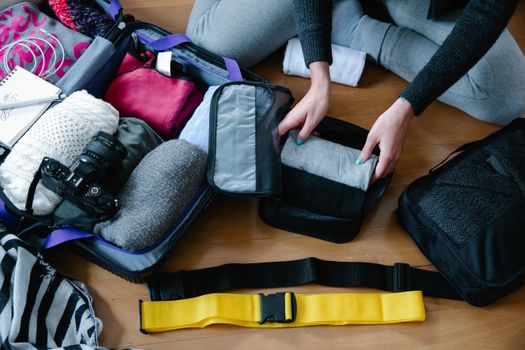
Festival season brings a unique blend of excitement, anticipation, and a little bit of chaos. Whether you’re a seasoned festival-goer or planning your very first adventure, getting ready for festival season requires thoughtful preparation. The right planning ensures not only that you have a memorable time but also that you stay safe, comfortable, and stress-free. Beyond the basics of packing and ticket purchasing, there are several critical aspects to consider that can make or break your festival experience. This guide dives into what you should keep in mind when planning for festival season, from budgeting and logistics to sustainability and health.
Budgeting for Festival Season: More Than Just Ticket Prices
It’s easy to focus solely on the ticket price when planning for a festival, but the true cost of attending often extends far beyond the entry fee. In 2023, the average music festival ticket in Europe ranged from €80 for single-day entry to €250 for full weekend passes. However, attendees often spend an additional 40-60% of that amount on accommodation, food, travel, and merchandise.
When budgeting, consider these key expenses:
- $1 Train, bus, airfare, or car costs can vary widely depending on location. For example, traveling from Prague to a major festival in Berlin may cost around €60-€100 round-trip by train. - $1 Choices range from camping (usually €20-€50) to hotels (often €100+ per night during high-demand weekends). - $1 Food and drinks inside festivals are typically marked up. Expect to pay €6-€10 for a meal and €3-€6 for drinks. - $1 From tents and sleeping bags to portable chargers and weather-appropriate clothing.To help visualize the breakdown, here’s a comparative cost analysis for a typical 3-day festival:
.png)
| Expense Category | Budget Option (EUR) | Mid-range Option (EUR) | Premium Option (EUR) |
|---|---|---|---|
| Ticket | 80 | 180 | 300 |
| Accommodation | 30 (camping) | 120 (hostel) | 300 (hotel) |
| Travel | 40 | 90 | 200 |
| Food & Drinks | 45 | 90 | 180 |
| Gear & Essentials | 30 | 60 | 120 |
| Total | 225 | 540 | 1,100 |
Planning your budget realistically will help you avoid unpleasant surprises. Pro-tip: Always set aside a 10% buffer for unexpected expenses.
Transportation and Logistics: Getting There and Getting Around
One of the most overlooked aspects of festival planning is transportation logistics. According to a 2022 survey by Festicket, over 30% of festival-goers reported transportation issues as a major source of stress during festival season.
Key considerations include:
- $1 Whether you’re traveling by train, bus, or carpool, booking early can save you money and guarantee your spot. Some festivals offer shuttle services from major cities or airports—these often sell out weeks in advance. - $1 Download offline maps and familiarize yourself with the route from accommodation to festival grounds. Many rural festivals have limited signage and patchy mobile reception. - $1 If driving, check parking availability and costs. Some festivals require pre-paid parking passes, while others operate “park and ride” systems to reduce congestion. - $1 Large festivals can span several kilometers. Comfortable shoes and a basic map (digital or paper) are essential. Some sites offer bike rentals or shuttle trams for easier navigation.Thinking through logistics ahead of time minimizes the risk of delays and helps you make the most of every festival moment.
Sustainability and Eco-Friendly Choices at Festivals
As festival attendance worldwide climbs back to pre-pandemic levels (with global attendance surpassing 32 million in 2023), concerns about environmental impact have grown. The average European festival produces 2.8kg of waste per person per day, with plastic bottles and single-use tents topping the list.
Making eco-friendly choices isn’t just about feeling good—it’s about preserving the festival experience for future generations. Here’s how you can contribute:
- $1 Bring refillable water bottles, metal straws, and reusable cutlery. Many festivals now have water refill stations. - $1 Consider eco-camping areas or offsite eco-lodges. Some festivals offer “leave no trace” incentives and rewards. - $1 Sort your rubbish and use recycling bins provided. Compostable plates and biodegradable wipes are great alternatives. - $1 Reduce your carbon footprint by traveling with others or using public transit. - $1 Many festivals now have “green teams,” carbon offset programs, and workshops about sustainability.By making responsible choices, you help set a positive example—and contribute to a cleaner, greener festival culture.
Health, Safety, and Wellbeing During Festival Season
Staying healthy and safe is essential for enjoying festival season to the fullest. In 2022, over 15% of festival-goers sought on-site medical assistance, often for minor issues like dehydration, sunburn, or exhaustion.
What should you keep in mind?
- $1 Festivals can be physically demanding, especially in summer. Aim to drink 2-3 liters of water per day. Many festivals ban glass bottles, so bring a sturdy refillable bottle. - $1 A wide-brimmed hat, high-SPF sunscreen, and sunglasses are musts. Even on cloudy days, UV exposure can cause burns. - $1 Stick with friends, agree on meeting points, and keep emergency contacts handy. Festivals are generally safe, but thefts and accidents can happen in crowded settings. - $1 Carry any necessary medications, and know where the first aid tents are located. People with allergies should bring antihistamines and those with chronic conditions should alert friends. - $1 Don’t underestimate the need for sleep. Bring earplugs and a comfortable sleeping setup, especially if camping.The right preparation ensures you end the weekend with great memories—not a visit to the infirmary.
Planning Your Festival Experience: Scheduling and Maximizing Enjoyment
With dozens—sometimes hundreds—of acts and activities, festivals can easily overwhelm first-timers and veterans alike. In 2024, the average European music festival features over 50 artists across multiple stages, plus workshops, art installations, and food markets.
How do you make the most of it all?
- $1 Check the festival schedule as soon as it’s released. Mark your top 3-5 artists or activities per day and plan around them. - $1 Part of the magic of festivals is stumbling upon new acts or experiences. Don’t overschedule—leave blocks of free time to wander. - $1 Sync up with your group on key shows and meeting points but allow for individual exploration. - $1 Delays and schedule changes are common. Download the official festival app or follow social media updates for real-time info. - $1 Whether it’s a notes app or a paper planner, jot down your daily plan. This helps avoid decision fatigue and makes sure you don’t miss out on your favorites.A balance of preparation and spontaneity guarantees an adventure that’s both organized and exhilarating.
Final Checklist: What to Keep in Mind for a Smooth Festival Season
As you finalize your plans, keep these last-minute reminders in mind:
- $1 Conditions can change rapidly—pack accordingly. - $1 Many festivals have strict rules on items like umbrellas, professional cameras, and outside food. - $1 Bring tickets (digital and paper backups), ID, and any necessary medical info. - $1 Use money belts or lockboxes in shared accommodations. - $1 Portable power banks are lifesavers for staying connected and capturing memories.A little extra attention to detail can turn a good festival trip into a great one.